Digital PR campaigns for inspiration: 25 of our favourite campaigns
Digital PR
Digital PR campaigns for inspiration: 25 of our favourite campaigns

 ChatGPT
 Claude
 Perplexity
 Grok
Grok
 Google AI
 You
You
 WhatsApp
 LinkedIn
Digital PR starts with a great idea, one that’s relevant to your brand, captures the attention of journalists, resonates with your target audience, and brings something genuinely new to the table. But knowing where to start isn’t always easy.
In this post, we’ve rounded up 25 of our favourite Digital PR campaigns — some we’ve had the pleasure of working on, others we simply admire from afar — spanning data-led studies, creative concepts, and quick-win commentary. Whether you’re looking to brief in your next big campaign or just need a little inspiration, there’s something here for every brand and every brief.
Internal data-led studies
Internal data is fantastic for Digital PR campaigns, as this data cannot be found elsewhere, making it extremely useful for journalists, difficult for competitors to replicate, and really interesting for audiences. Below are some of our favourite examples of internal data-led studies.
The Muval Index 2025 – Muval
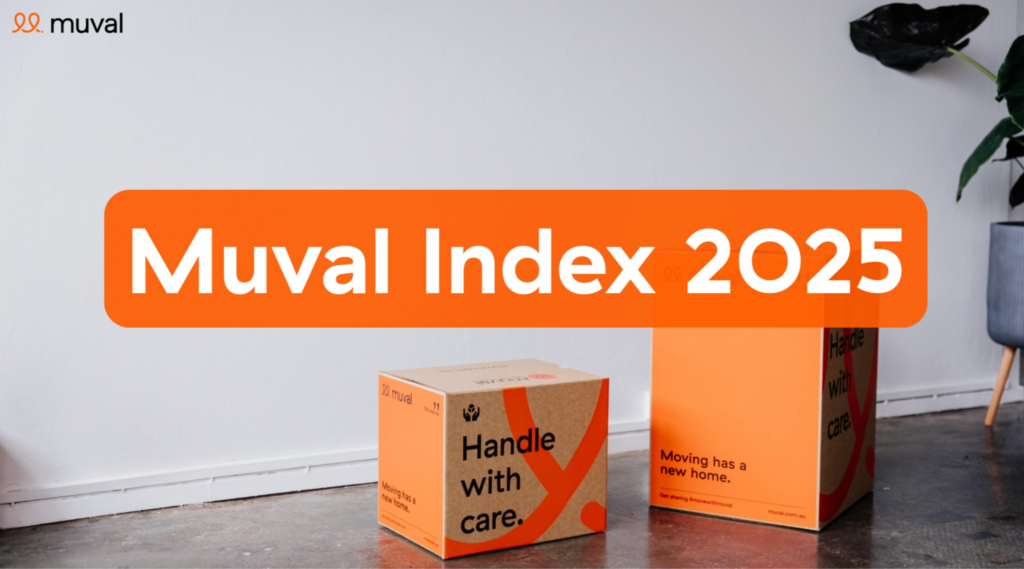
The 2025 Muval Index is Muval’s fifth annual snapshot of internal migration trends shaping the nation. The report uncovered the regions on the rise, the capital cities losing residents, and the shifting priorities behind why people choose to move. The data came from more than 400,000 de-identified and anonymised records of planned moves by Muval users, in addition to survey and ABS data. The 2025 Index received 30 links and 77 pieces of coverage across high authority publications, including Realestate.com.au, The Canberra Times and Time Out.
Cost of a Driving Lesson – EzLicence
EzLicence, an online platform that allows learner drivers to compare and book verified driving instructors, used internal data to underpin its campaign on the cost of driving lessons in Australia. The campaign explored where learners can find the best value driving lessons and how prices have changed over time. The campaign has run for two years in a row, creating headlines for 80 publications, including News.com.au, Car Sales and The Advertiser.
Mouldiest Cities – Airtasker
Mould is a persistent problem across Australia year-round. For this study, Airtasker combined internal data on mould removal tasks posted to the platform with external factors known to drive mould growth, including climate risk and structural vulnerability, to identify the most mould-prone areas in the country. The campaign is a strong example of how proprietary data can be paired with third-party indicators to create a compelling, results-driven story, earning coverage across top-tier outlets, including News.com.au, Nine, and Time Out.
Wildlife Collision Hotspots – NRMA
NRMA recorded more than 15,000 car insurance claims linked to animal collisions in 2025 — and turned that data into a campaign. By analysing where and when these incidents were most likely to occur, they created a story with genuine news value, earning coverage across both national and regional publications throughout Australia.
2026 Found Report – Unclaimed Baggage
Each year, the team at Unclaimed Baggage opens thousands of orphaned bags and uncovers a mix of fascinating, valuable, and wonderfully weird finds. They put all of this data into a report, which reveals the most weird and random, valuable and most common finds across unclaimed baggage in Australia.
The Lost & Found Index – Uber
2026 marked the 10th edition of Uber’s Annual Lost and Found Index, a campaign built entirely around the items passengers leave behind. From the most unusual finds to the most forgetful cities, times, and days, the index unpacks lost property data across multiple angles and categories. Year after year, it earns global media coverage, proving that even the simplest dataset can be a powerful storytelling tool.
Rattiest Cities – Orkin
What better campaign for a pest control company than revealing which US cities have the biggest rat problem? Orkin used internal data on owner-occupied residences with rat infestations to rank the nation’s rattiest cities. By running the campaign year on year, they were also able to track how the problem had shifted over time. The result was a highly repeatable, brand-relevant campaign that earned coverage across top-tier media throughout the USA.
Indexes
Indexes combine multiple existing data points through a custom scoring methodology to produce a single ranking, typically surfacing “best” and “worst” lists that perform exceptionally well with media. The underlying data already exists; the composite score is what’s new. Here are some of our favourite index-based campaigns.
Sweaty Cities – Alliance Climate Control
Summer in Australia can be brutally hot, but which city is the nation’s ‘sweatiest’? To answer this question, air conditioning, heating and electrical supplier Alliance Climate Control developed an index that ranked Australian cities based on factors including summer temperatures, moisture content, urban forest cover, wind conditions, cooling degree hours, population density and proximity to water. While the results were unsurprising — with Darwin taking out the top spot — the campaign generated strong media interest, securing coverage in outlets including The Age, 9News and Newcastle Herald.
Start Up Cities – Reckon
This index-based campaign ranked 50 of Australia’s largest cities to identify the best places to start a business. The index assessed 18 factors across four key categories: cost of living, internet connectivity, talent pool and business landscape.
Refreshed annually, the campaign has become a consistent driver of media coverage, generating more than 100 backlinks and over 200 pieces of coverage to date. Its success has been fuelled by strong regional angles and sustained interest from business media, with the findings resonating well beyond the press, even attracting attention from Australia’s Deputy Prime Minister, who shared the campaign on LinkedIn.
Australia’s Fittest Cities – Net World Sports
Where are Australia’s fittest — and least fit — cities? This campaign set out to answer that question through a custom-built index that ranked cities based on a range of factors. Created for sports equipment retailer Net World Sports, the index analysed metrics including the prevalence of long-term health conditions linked to physical activity, fitness participation rates, and environmental factors that support exercise. The result was a highly localised, data-driven campaign that resonated strongly with regional media, generating more than 60 pieces of coverage across Australia.
Hidden Gem Destinations – ROLLiN’
What are Australia’s best hidden gem road trip destinations? To find out, car insurer ROLLiN’ created an index ranking the country’s top lesser-known destinations that can be reached by car. The index combined search demand, social media engagement, distance from capital cities, review scores and weather data to uncover Australia’s most underrated travel hotspots. By tapping into Australians’ love of road trips and domestic travel, the campaign struck a chord with travel and lifestyle journalists, generating more than 100 pieces of coverage across some of the country’s leading publications.
Surveys
Surveys allow us to create entirely new data that didn’t exist before, tailored precisely to the story we want to tell. We commission a panel or audience to answer specific questions, producing data that’s unique, fully owned by the brand, and created by the campaign itself.
Skinvestments – Contour Clinics
How much are Australians spending on their appearance? To find out, cosmetic and medical aesthetics provider Contour Clinics commissioned a nationwide survey exploring the nation’s beauty and self-care habits. The research revealed that Australians spend an estimated $25.4 billion each year on looking their best. While sunscreen and SPF products were the most commonly purchased category, skin volumisation and rejuvenation treatments recorded the highest average spend per person. The findings struck a chord with both lifestyle and consumer media, generating 75 backlinks across Australian publications.
The Retirement Report – Just Better Care
What matters most to Australians as they approach retirement? To answer this question, aged care provider Just Better Care surveyed 1,000 Australians aged 55 and over about their priorities, concerns and expectations for retirement and aged care. The research coincided with significant changes to Australia’s aged care reforms, providing a timely and highly relevant news hook that attracted attention from the ABC, The Senior and Your Life Choices.
The Rudest U.S Cities in 2025 – Preply
Where are America’s rudest cities? This campaign set out to answer that question by surveying people across the United States about the rude behaviours they encounter in their local area. The research revealed which cities residents perceived as the most discourteous. By uncovering the habits that frustrate Americans most, the campaign generated strong talking points for the media. The breadth of the study also enabled regional comparisons and localised storytelling opportunities, helping the campaign secure hundreds of links and widespread coverage across the country.
Other data-led campaigns
Internal data, indexes, and surveys are among the most common campaign types, but they’re far from the only ones. From research reports and predictive modelling to single-source data and experiments, there are plenty of other ways to build a compelling data-led campaign. Below are some worth a mention.
Delayed Drives – iSelect
iSelect used data modelling to quantify the true cost of commuting in Australia, factoring in distance to work, time lost to traffic, working days, and work-from-home frequency. The result was a headline figure of $9.7 billion lost by Australians to traffic each year, broken down by major city to create localised angles that drove broad media appeal. The campaign earned over 90 pieces of coverage.
TikTok Travel Index – Bounce
Sometimes, analysing a single data source is all it takes to generate significant media attention. This campaign demonstrated exactly that by analysing TikTok content to uncover the most popular travel destinations on the platform. By identifying the locations generating the highest levels of engagement and visibility on TikTok, the campaign tapped into the growing influence of social media on travel trends, securing hundreds of backlinks and widespread media coverage.
Driving Fail Files – EzLicence
Freedom of information requests are one of the most powerful data sources in Digital PR, delivering government-backed figures that journalists inherently trust. For this campaign, FOI requests were submitted to road and transport authorities across Australia to uncover driving test pass and fail rates, including the specific reasons candidates fail, broken down by state. The result was a data set with built-in news angles for national, state-based, and niche motoring titles.
Airports with the longest security lines during the holidays – Jettly
Private jet booking service Jettly tapped into data from the US Customs and Border Protection and the Bureau of Transportation Statistics to reveal average airport wait times across the winter holiday period — including time spent in queues and the percentage of flights delayed. By tying the findings to the universally relatable frustration of holiday travel, the campaign earned widespread media coverage across the US while cleverly positioning Jettly as the solution for travellers who’d rather skip the chaos altogether.
Creative campaigns
Not every PR campaign needs data to make headlines. Creative campaigns lean on novelty, humour, and cultural relevance to earn coverage. Here are some strong examples.
The ‘B’ Plate – Scrap Car Comparison
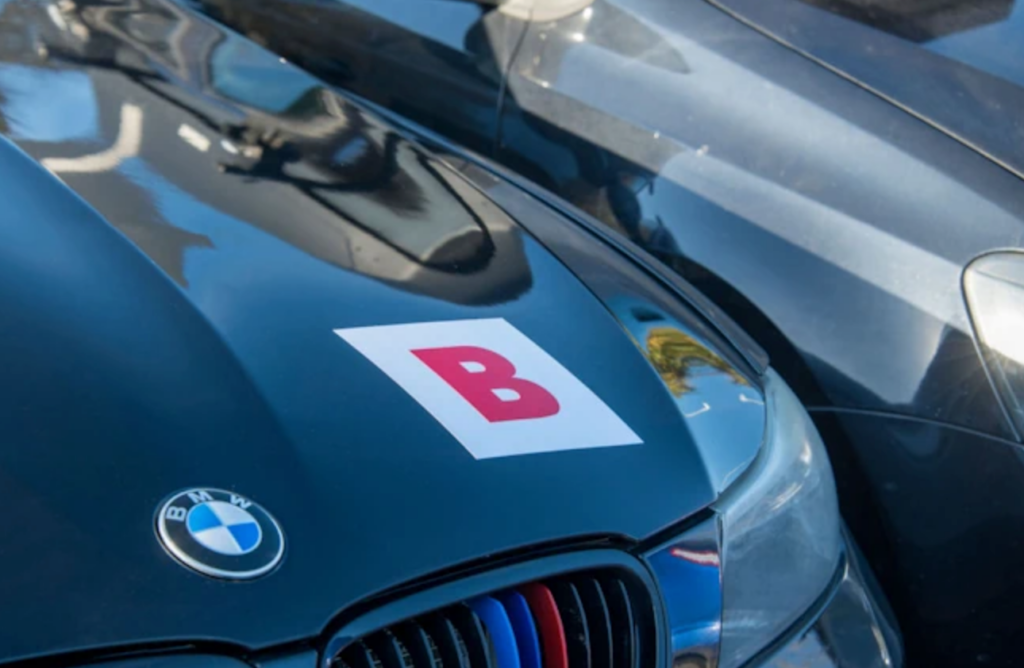
Research from Scrap Car Comparison found that parallel parking is the driving manoeuvre Brits struggle with most. To tap into this insight, the brand launched the ‘B’ plate — a tongue-in-cheek sticker for drivers who are bad at parking, inspired by the familiar ‘L’ and ‘P’ plates used by learners and newly qualified motorists. The playful and relatable concept struck a chord with the public, transforming a simple research finding into a highly shareable campaign. Its humour and originality helped it gain widespread attention, generating viral coverage across the UK.
Ageing Jobs Calculator – Harley Street Clinics
Interactive calculators are a powerful way to bring data to life, transforming passive readers into active participants. This campaign from Harley Street Clinics did exactly that, exploring the relationship between occupation and physical appearance. Users answered a series of questions to receive a personalised result: their skin age, as determined by their job.
Cry Me a Cockroach – San Antonio Zoo
San Antonio Zoo turned Valentine’s Day on its head with a campaign that gave the heartbroken a uniquely satisfying outlet, naming a rat or cockroach after their ex. Tied to a fundraising initiative, the campaign’s tongue-in-cheek concept was tailor-made for shareability, earning media coverage across the globe.
Borrow A Burglar – Boundary
Home security brand Boundary launched a service with a twist — hiring a reformed burglar to test your home’s vulnerabilities in person. Ex-burglar turned consultant Luke Harris, who spent 12 years burgling before going straight, would survey a property and offer tailored advice on how to better protect it against break-ins. The concept was simple but great, creating unique stories for the press.
Quick-win
Not every campaign needs months of planning. Quick win Digital PR taps into expert knowledge and timely commentary to land impactful coverage in a fraction of the time — getting brands into the stories that matter, right when it matters most.
Valentine’s Driving Fines – Astor Legal
With Valentine’s Day approaching, Astor Legal’s principal lawyer provided quotes to the media about the fines Aussies could receive if they engage in any ‘romantic’ behaviour while driving. The campaign received 20 links on publications such as Sky News, Car Expert and The West.
Christmas Car Lights Reactive – Astor Legal
Cars decorated with Christmas lights went viral on social media, so the principal lawyer of Astor Legal reacted to this trend with commentary about what legal repercussions this could have on Aussies who try this at home. The reactive secured 87 links across top-tier publications such as 7News, Drive and The Canberra Times.
Anthony Albanese AI Reactive – Legal Vision
After the changes to the capital gains tax, businesses began using AI-generated images of Prime Minister Anthony Albanese to slam the changes. However, little did they know this could cause legal repercussions. Commercial law firm, Legal Vision, issued commentary on what the legalities behind doing so could be for small businesses, landing coverage in The Australian, 9News and Pedestrian, to name a few.
We hope this roundup sparks some ideas for your next Digital PR campaign. If you’re ready to get started, or just want to talk through what might work for your brand, we’d love to hear from you. Get in touch with the Prosperity Media team today at hello@prosperitymedia.com.au.